Stella-Plage is not a fishing village that turned into a resort. It is the opposite: a bare dune system, bought by a Paris notary, planted with pines to hold the sand, then drawn as a star by an architect. Everything here was intended.
1837: a notary buys the dunes
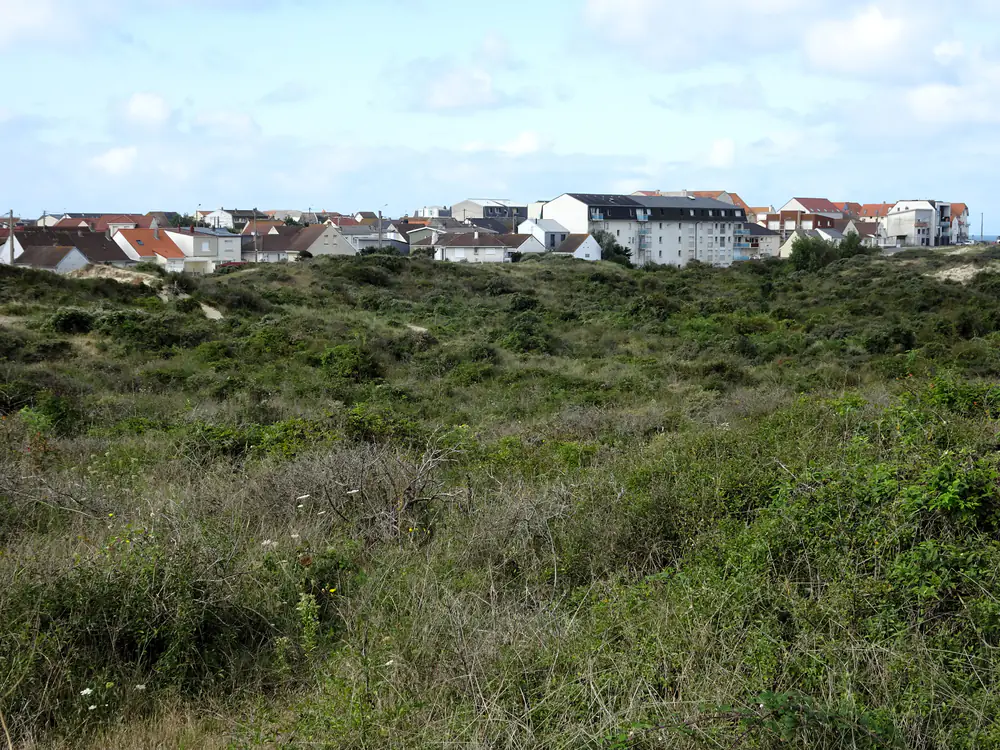
In 1837, Alphonse Daloz, a notary in Paris, bought the dunes of Cucq and Trépied: 1,500 hectares for 150,000 francs. At the time these were not building plots but stretches of shifting sand, of little farming value.
He first raised cattle there and tried crops. The sand, meanwhile, kept advancing.
1855: pines against the sand
From 1855, Daloz and his son-in-law Charles Rigaud planted young pines across 800 hectares. The aim was technical: to fix the dune and stop it moving.
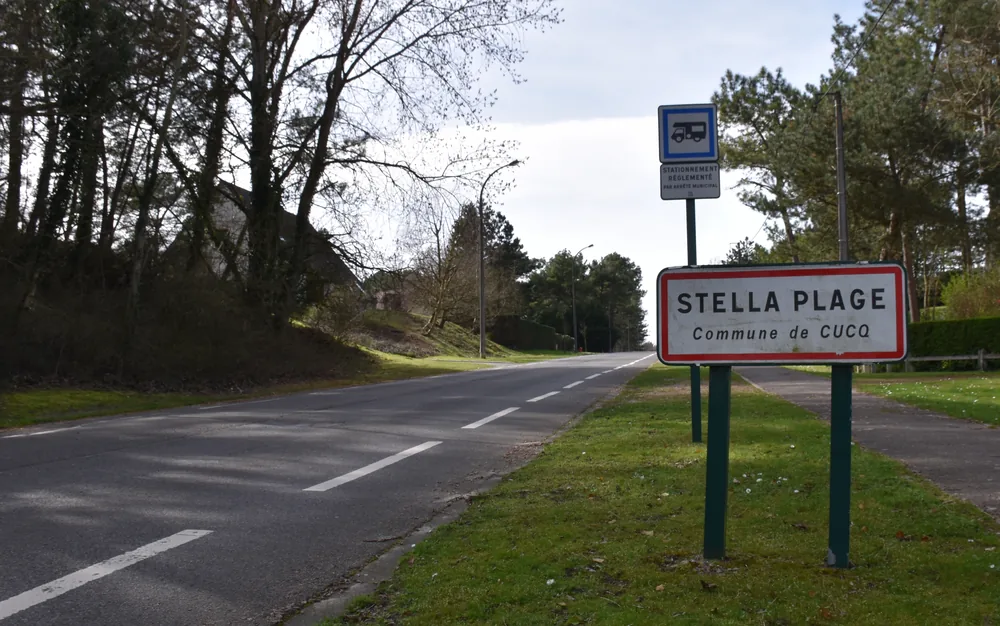
So the pine wood you drive through on the way into Stella is not a natural inheritance. It is a structure, planted to stabilise the ground. In 1858 the estate was divided: Rigaud received 350 hectares, the very ones that would become Stella-Plage.
1914: the star-shaped plan
In 1914 two Paris investors, Edmond Labrasse and Victor Poulain, launched the resort. They entrusted the layout to Charles Plumet, later chief architect of the Decorative Arts exhibitions in Paris.
Plumet drew a radioconcentric plan: radiating and concentric streets arranged around a centre. Hence the name of the resort, stella, star in Latin. Boulevard Poulain and boulevard de Berck cut the whole into three parts, following the lie of the land.
The First World War stopped everything. Work resumed afterwards, and the 1914 plan was formally approved and registered in 1925.
1923: the opening
The resort was opened in August 1923 by Edmond Labrasse, with the backing of the daily newspaper Comœdia. In 1925, Stella-Plage was granted the status of climatic resort, which led to the creation of a first tourist board in 1930.
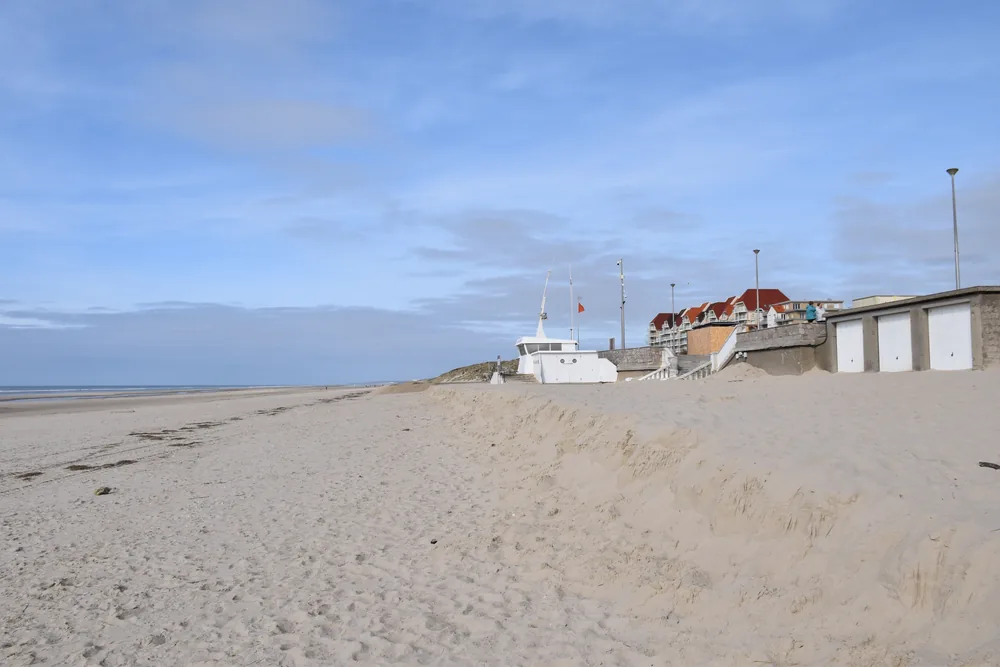
A first church was consecrated in 1928. The seafront was opened in 1934, after a year of works. The seaside villas lined up along the star plan, in eclectic styles with a strong Anglo-Norman streak, complicated roofs and half-timbering.
By 1939 the development counted around 300 buildings.
1945: almost everything is gone
The Second World War wiped the resort out. At the end of the conflict, barely ten villas were still standing, and only two were intact.
This is why the Stella of today looks nothing like Le Touquet. The star plan survived, the houses did not. What you see is a rebuilding, spread over several decades, carrying the successive styles of each period.
In the 1960s the resort reached 500 permanent residents and took in around 15,000 holidaymakers each summer.
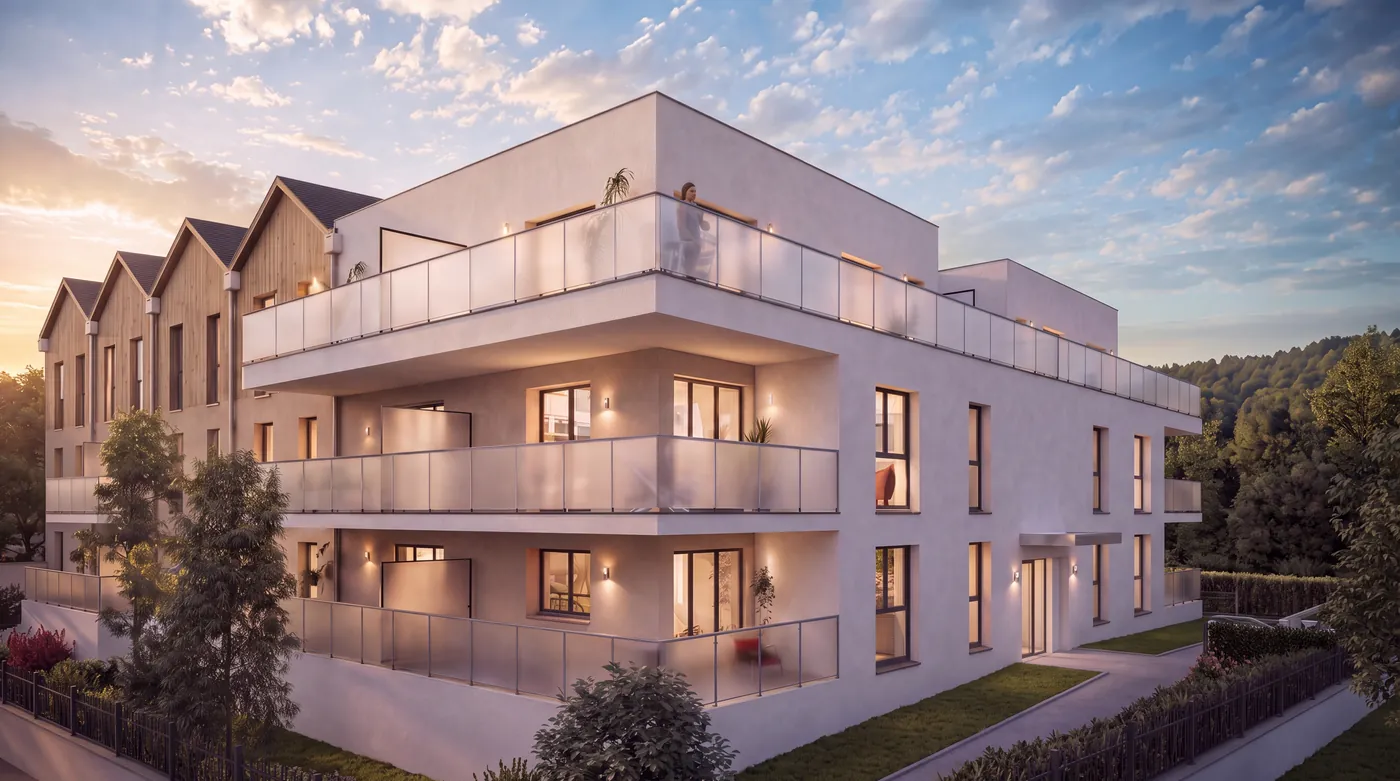
Building in a resort laid out a century ago calls for restraint.
Who builds The SwellToday
Stella-Plage covers 3.76 km², of which 259 hectares of protected dunes. The pine wood of Daloz and Rigaud is still there, so is Plumet's plan, and so is the 1934 seafront.
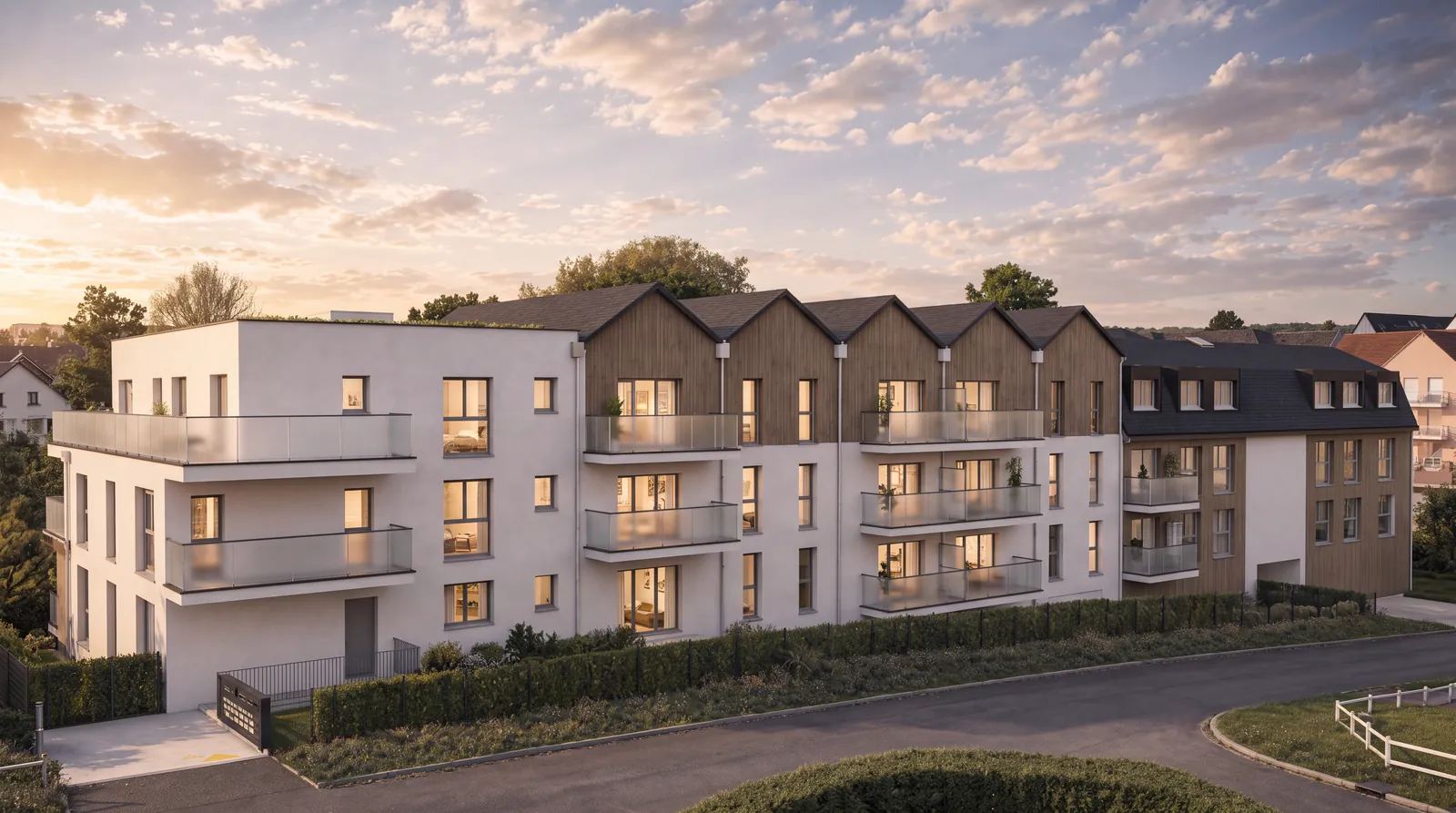
To build here is to add a layer to a resort that has never stopped being made. It is also why the question of fitting into the existing fabric comes up with every development.
Sources: history: the record of Stella-Plage and documentation from the CAUE du Pas-de-Calais · layout plan by Charles Plumet, approved and registered in 1925.
Header photograph: Pierre André Leclercq, CC BY-SA 4.0, via Wikimedia Commons.